%20(2).jpg)
Most companies brainstorm in the open. Apple? They build in the shadows.
The Apple project management methodology is far from ordinary, famous for intense secrecy and teams that work in highly focused, sometimes isolated, units.
Ready to see how the magic happens?
We're diving deep into the project plan that fuels Apple's biggest hits and its occasional misses. You'll discover the non-negotiable principles behind their success and learn exactly why they value ruthless discipline over agile flexibility.
Inside Apple’s project management methodology
Apple’s reputation for flawless execution stems from a distinctive project management built on clarity, ownership, and disciplined simplicity. Unlike traditional frameworks, project management at Apple uses practical methods that keep teams aligned, focused, and accountable from concept to launch.
Below are the core methodologies that define Apple's project management.
1. Simplicity as an operating principle
Simplicity is central to Apple’s workflow design and decision-making. It ensures projects stay focused and manageable by stripping out anything that complicates execution. Apple applies simplicity through:
- Clear, minimal project objectives
- Meetings limited to essential contributors
- Short, actionable documentation
- Small teams with direct communication paths
- Breaking problems into their simplest components
This method keeps teams agile and reduces noise that slows progress.
2. Excellence through iterative refinement
Apple’s methodology demands extremely high standards. Work is reviewed repeatedly, and projects restart when results don’t meet expectations. Key practices include:
- Rigorous design and engineering reviews
- Willingness to reset or rethink major work
- Meticulous attention to detail
- Continuous refinement until the product feels effortless
This method ensures quality isn’t negotiated; it’s engineered.
3. Secrecy as a management framework
Secrecy at Apple is not just cultural; it’s a project management method that protects focus and reduces unnecessary external influence. It supports teams by:
- Minimizing distractions
- Preventing premature criticism of early ideas
- Maintaining control over information and timelines
- Ensuring project work stays tightly aligned
- Preserving the impact of major launches
This method creates a controlled environment where teams can work without noise.
4. The DRI model for absolute ownership
One of the most defining elements of their project management is the Directly Responsible Individual (DRI). Every task, decision, or deliverable is owned by one person, never a committee.
- Each action item lists a single DRI
- Everyone knows exactly who is accountable
- Decisions move faster
- Responsibility never becomes diluted
- Projects avoid unnecessary delays
This method eliminates ambiguity and accelerates progress.
5. Small, autonomous, high-impact teams
Apple avoids large project groups. Instead, it forms small, skilled teams that operate with autonomy and clear responsibility. These teams:
- Are typically fewer than 100 people
- Include only essential cross-functional roles
- Work with minimal hierarchy
- Take deep personal ownership of outcomes
This method ensures speed, clarity, and strong alignment.
Behind the scenes: Apple’s project management in action
To truly understand Apple’s approach, you have to step inside the projects where these principles shaped the outcome.
📱 The iPhone: Vision meets precision
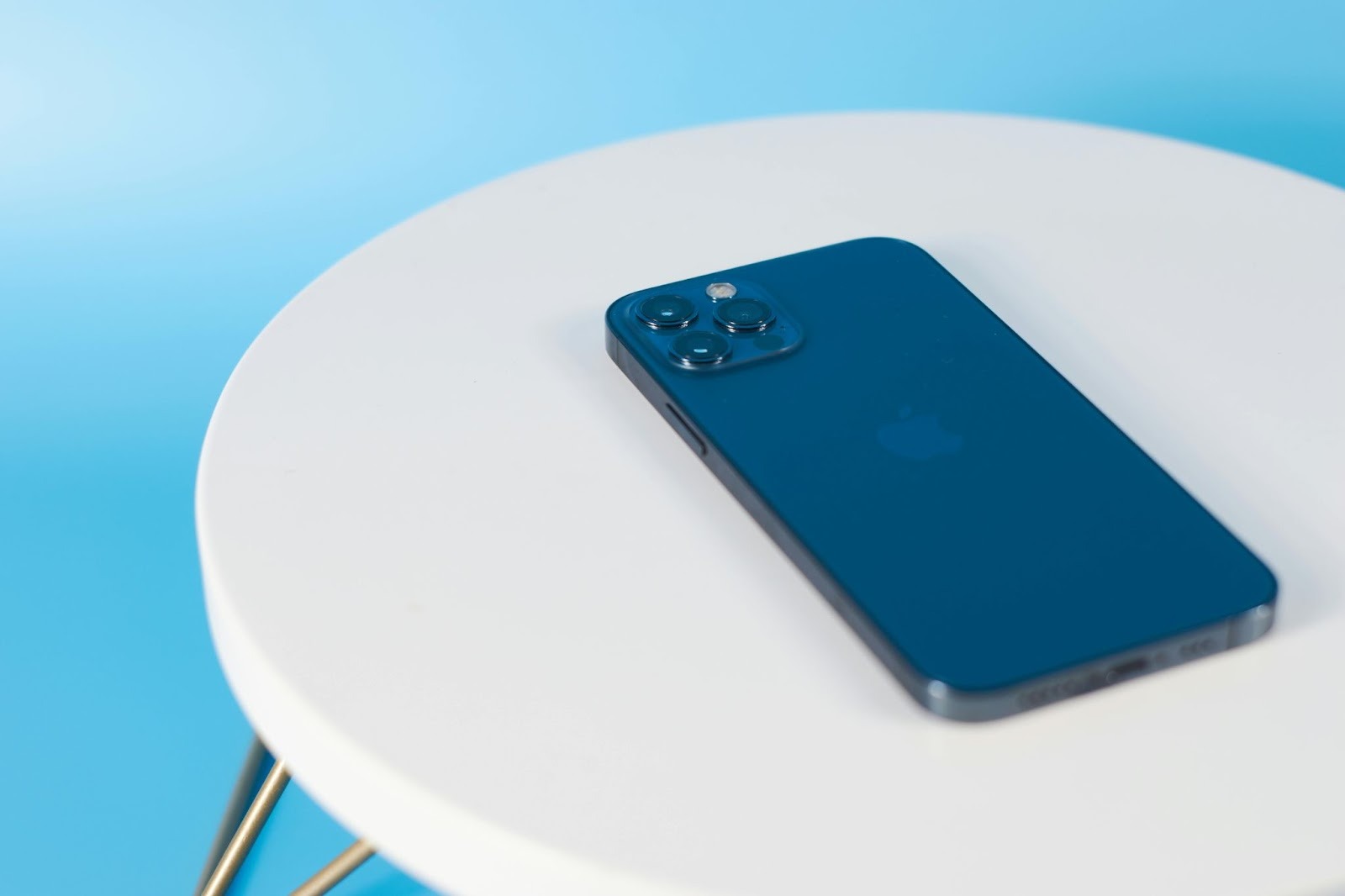
The original iPhone’s development was a masterclass in secrecy, clarity, and disciplined execution.
Key dynamics:
- Small, compartmentalized teams working in parallel
- Every major component owned by a DRI
- Dozens of prototypes were rejected until the product felt “inevitable.”
- Custom tooling and internal testing replacing traditional PM systems
Impact:
The iPhone reshaped modern computing and showcased the power of Apple’s disciplined, vision-first approach.
⌚ The Apple watch: Cross-functional innovation
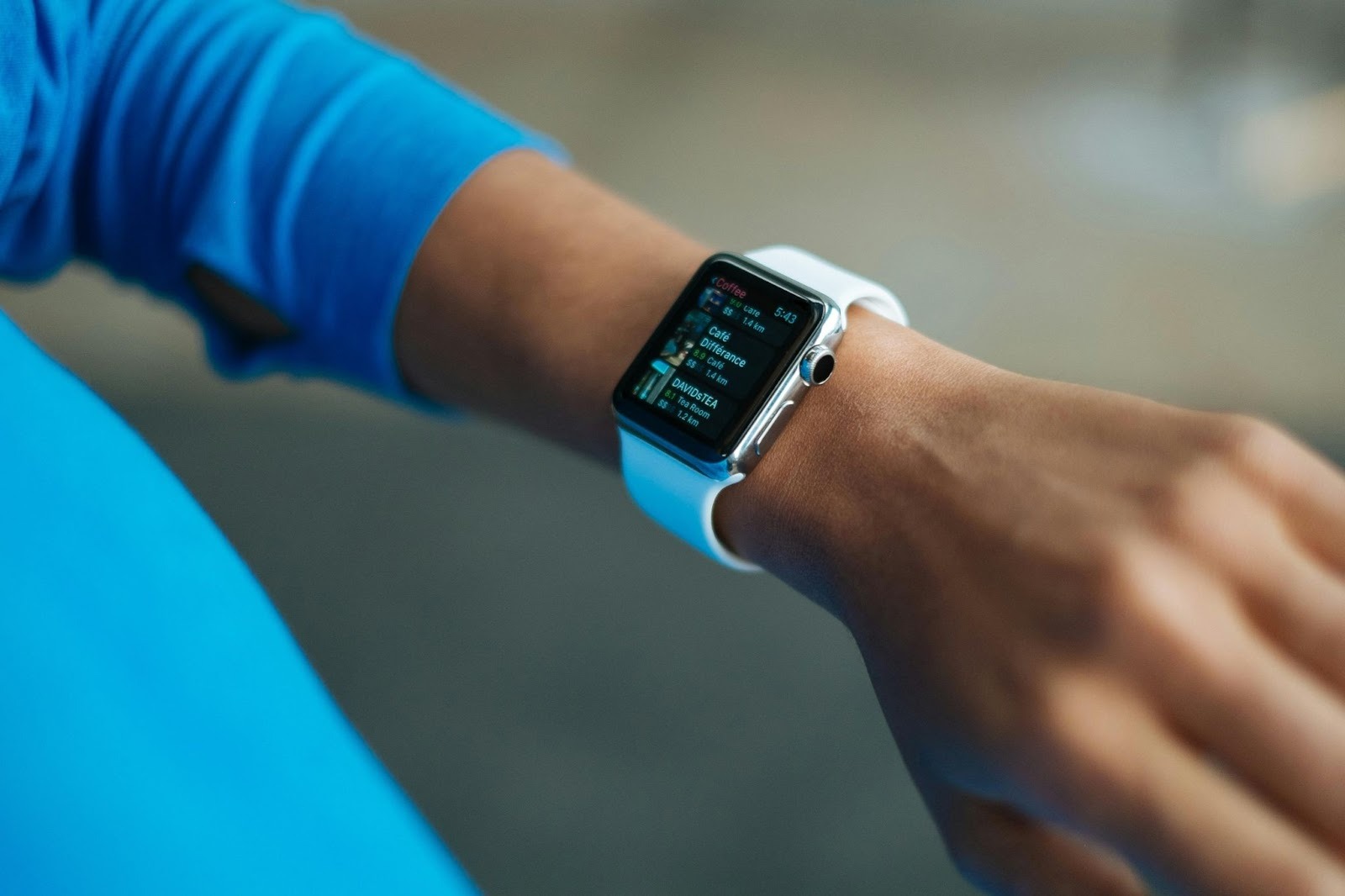
The Watch required collaboration between design, engineering, health science, and fashion - all under Apple’s secrecy model.
Project dynamics:
- Tight cross-functional coordination
- Extensive internal testing (“dogfooding”)
- Multiple delays due to uncompromising quality standards
- Development of new testing protocols for health features
Impact:
Early reviews were mixed, but Apple’s stage-based evolution turned the Watch into a global leader in wearables.
⚠️ AirPower: When standards stop a product
AirPower’s cancellation shows what happens when Apple’s standards cannot be met.
Why it failed:
- Overlapping coil designs are causing overheating
- A public announcement that created rare internal pressure
- Coordination gaps across engineering groups
- Apple’s refusal to release anything below its quality bar
Impact:
A rare miss, but one that reinforced Apple’s unwavering, quality-first project philosophy.
Stage-gate vs. Agile: Why Apple doesn’t follow the crowd
While the tech world embraces Agile and Scrum, Apple relies on a more structured Stage-Gate model optimized for secrecy, integration, and precision.
Here are the differences between Apple’s Stage-Gate and Agile/Scrum:
Why Apple avoids Agile development
The differences in the table explain how Apple’s process diverges from Agile, but the deeper question is why Apple chooses a more structured, controlled approach. The answer comes down to Apple’s belief about what it takes to build breakthrough products.
A unified vision beats rapid iteration
Apple builds products around a clear, top-level vision. That vision drives decisions long before development begins, leaving little room for the constant course-changing that Agile encourages.
Hardware and software must move in lockstep
Agile works best when teams can ship small increments independently. Apple’s products rely on tight hardware–software integration, which requires synchronized progress across multiple disciplines, something that’s difficult to achieve in fast, fragmented sprints.
Secrecy shapes the entire workflow
Agile thrives on transparency and continuous feedback. Apple thrives on confidentiality. Keeping teams compartmentalized, project workflows clear, and minimizing exposure to outside opinions is incompatible with Agile’s open, iterative nature.
Quality isn’t negotiated mid-build
In Agile, a product evolves through ongoing testing and refinement. Apple raises the bar before development even begins; projects move forward only when they meet strict internal thresholds. Iterating publicly or releasing half-polished work simply doesn’t fit Apple’s culture.
When Apple embraces iterative approaches
Although Apple avoids open, rapid iteration cycles, the company still uses iteration internally, just in ways that protect security and maintain product cohesion.
Teams rely heavily on internal “dogfooding” to refine early builds, software updates evolve continuously throughout the development cycle, and major products improve significantly across generations.
Apple does iterate, but it does so behind closed doors and only in ways that support its long-term vision and integrated design philosophy.
Apple’s methodology makes success repeatable
Apple’s project management system isn’t based on trends. It’s built on discipline, clarity, and ownership.
The company shows that you don’t need to choose speed over quality or flexibility over vision. You simply need a system that aligns with your mission.
When vision, responsibility, and execution come together, missteps don’t just become less common; they become nearly impossible.
_light%201.avif)