%20(1).jpg)
Imagine cutting your operational costs by half or boosting your team’s productivity by 30% with just a few strategic tech upgrades.
Sounds unbelievable? There aren’t many companies that are already reaping these benefits, and you can too.
Understanding how technology improves competitiveness and productivity is no longer a luxury; it’s a necessity. This ultimate guide uncovers the secrets to staying ahead in the game.
In this article, we will explore:
- How to enhance business operations through technology
- Ways to implement technology for sustainable business growth
- Future trends in business technology
Key ways in which technology boosts productivity and competitiveness
Technology empowers businesses to work smarter, adapt faster, and outperform their competitors. By streamlining operations and enhancing data-driven decision-making, companies can become both more productive and more competitive in their markets.
Enhancing operations for greater efficiency
Efficiency lies at the heart of productivity and competitiveness. Using a modern AI project management tool allows teams to automate, collaborate, and deliver results with greater precision and speed.

Businesses today increasingly rely on technology to improve the efficiency of teams and roles, ensuring smoother workflows and stronger overall performance.
- Project Management Platforms: Tools like Dart, Asana, Trello, and Monday.com simplify task tracking and improve collaboration.
- Customer Relationship Management (CRM): Solutions such as Salesforce and HubSpot enhance sales and customer retention.
- Automation Software: Platforms like Zapier and UiPath reduce repetitive tasks and streamline workflows.
- Artificial Intelligence (AI): AI-driven analytics turn raw data into actionable insights for faster decision-making.
By integrating these technologies, businesses can reduce inefficiencies and enhance team performance across all departments.
Leveraging AI and machine learning for smarter decisions
Artificial intelligence and machine learning provide businesses with deeper insights and predictive power. These technologies enable data-driven strategies that anticipate challenges and identify new growth opportunities.
Benefits of AI and Machine Learning:
- Predictive Insights: Forecast customer behavior and market trends.
- Operational Optimization: Identify inefficiencies and improve supply chain performance.
- Personalized Experiences: Customize products and services through intelligent data analysis.
- Risk Mitigation: Detect potential threats early and respond proactively.
A solid project management software for operations can help transform data into strategic advantages, allowing businesses to stay one step ahead in an increasingly competitive environment.
Turning technology into a competitive advantage
Technology not only drives productivity but also helps companies differentiate themselves in the marketplace.

By adopting advanced systems and tools, organizations can deliver superior quality, innovation, and customer satisfaction, ultimately building a strong technology advantage that sets them apart.
Strategies to build a competitive edge with technology
Adopting the right mix of innovations gives businesses the flexibility and strength to outpace rivals.
Effective Approaches Include:
- Investing in Advanced Manufacturing: Improve precision, consistency, and output speed.
- Using IoT Solutions: Connect devices to collect data and enhance efficiency.
- Creating Personalized Customer Experiences: Use IoT and analytics for tailored engagement.
- Strengthening Customer Loyalty: Leverage technology to deliver exceptional service and long-term satisfaction.
Through these strategies, technology becomes more than a tool; it becomes the foundation of sustainable competitive growth.
Driving productivity through digital transformation
In the modern business world, productivity means achieving more with fewer resources. Digital transformation makes this possible by enabling automation, flexibility, and innovation at scale.
Improving business efficiency with technology
Efficiency and adaptability are key to thriving in a competitive market. With technology, teams can collaborate seamlessly, automate processes, and maintain productivity regardless of location.
Ways technology enhances productivity:
- Automation: Frees employees from repetitive work and increases focus on innovation.
- Process Streamlining: Eliminates delays and reduces human error.
- Collaborative Tools: Improves communication and workflow transparency.
- Remote Work Enablement: Accesses global talent and promotes work-life balance.
Remote work technology also unlocks new possibilities for businesses to build diverse, connected, and efficient teams that drive consistent results.
🔑 Highlighted keywords & key phrases
- Technology and productivity
- Technology and competitiveness
- Business efficiency tools
- Artificial intelligence for business
- Machine learning and innovation
- Digital transformation strategies
- IoT in business growth
- Workflow automation
- Competitive advantage through technology
The role of automation in productivity
Automation is a game-changer for businesses seeking to improve productivity. By automating repetitive tasks, businesses can free up time for employees to focus on high-value activities.
Whether it's automating email marketing campaigns or using chatbots to provide customer support, technology enables businesses to achieve more with less effort. This increased productivity allows businesses to:
- Handle more clients
- Take on larger projects
- Drive growth
Moreover, automation not only speeds up processes but also reduces the risk of human error. By relying on technology to perform routine tasks, businesses can ensure greater accuracy and consistency in their operations.
This not only boosts productivity but also enhances the overall quality of products and services delivered to customers.
Implementing technology for business growth
While the benefits of technology are clear, implementing it effectively can be a challenge. To leverage technology for business growth, organizations need to take specific steps.
Technology has become an integral part of modern business operations, offering numerous advantages such as:
- Increased efficiency
- Improved decision-making
- Enhanced customer experiences
However, simply adopting technology is not enough; businesses must strategically implement and integrate it to maximize its potential impact.
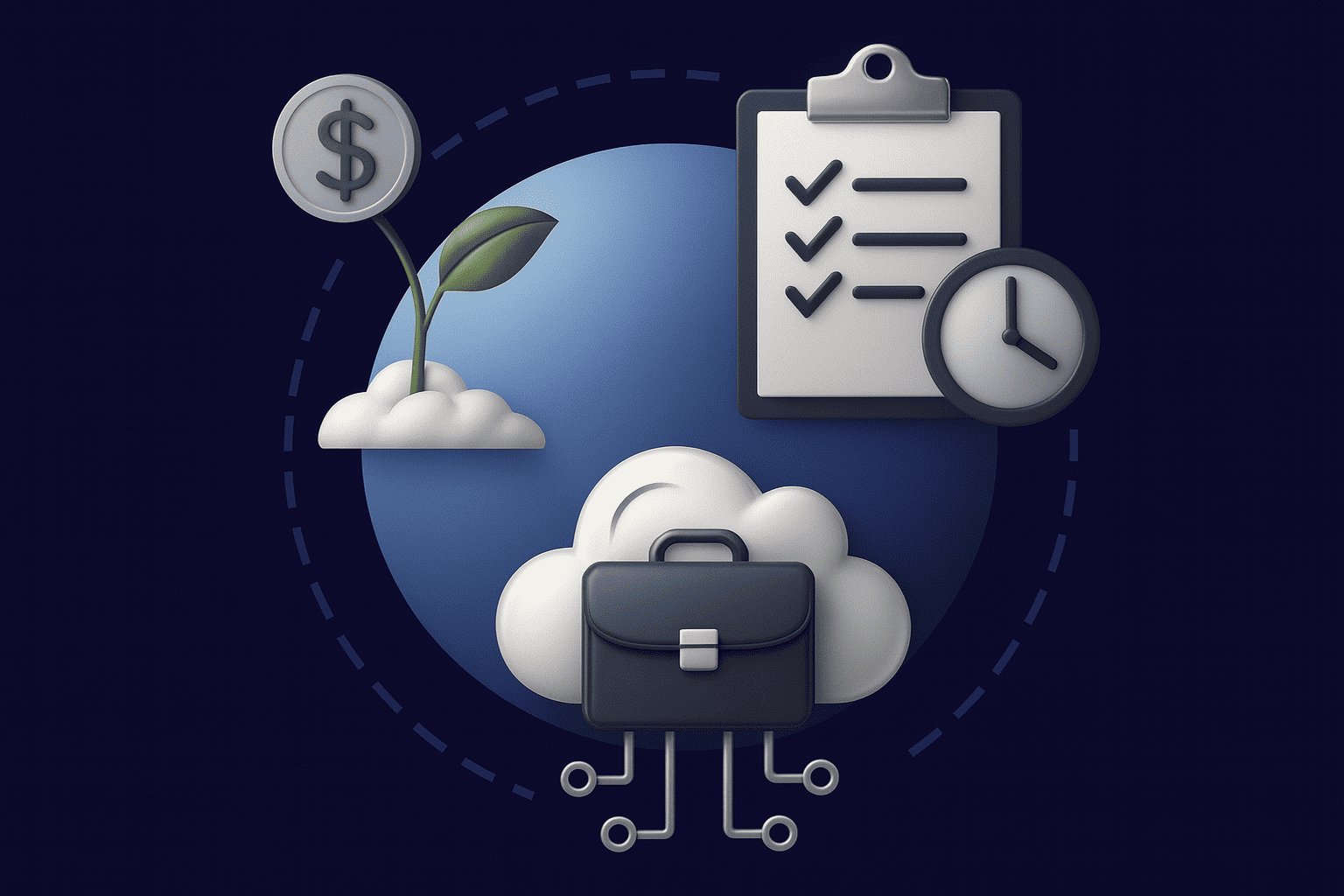
Steps to integrate technology in business
Integrating technology into a business requires a strategic approach to ensure it delivers maximum benefits. Here’s a clear, actionable guide to help you through the process:
1. Assess current needs
- Evaluate Existing Processes: Identify areas where technology can improve efficiency and productivity.
- Set Clear Goals: Determine what you want to achieve with new technology (e.g., cost reduction, improved customer service).
2. Identify technology solutions
- Research Options: Look into various tech solutions that can address your specific needs.
- Consult Experts: Seek advice from technology consultants or industry experts to choose the best options.
3. Develop a comprehensive implementation plan
- Create a Roadmap: Outline a step-by-step plan for integrating new technology into your business operations.
- Allocate Resources: Ensure you have the necessary budget, tools, and personnel for the implementation.
4. Ensure seamless integration
- Test and Adapt: Start with a pilot program to test the technology and make necessary adjustments.
- Train Employees: Provide thorough training to employees to ensure they are comfortable using the new technology.
5. Monitor and evaluate
- Regular Check-Ins: Continuously monitor the performance of the new technology to ensure it meets your goals.
- Gather Feedback: Collect feedback from employees and customers to identify any issues or areas for improvement.
6. Foster cross-departmental collaboration
- Form Cross-Functional Teams: Involve team members from different departments to bring diverse perspectives.
- Align with Business Strategy: Ensure the technology integration supports your overall business goals.
7. Encourage a culture of innovation
- Promote Openness: Encourage employees to share ideas and feedback on the new technology.
- Reward Innovation: Recognize and reward employees who contribute to successful technology integration and innovation.
By following these steps, businesses can seamlessly integrate technology into their operations, driving growth and staying ahead in a competitive market.
Overcoming challenges in technology implementation
Implementing technology brings challenges such as resistance to change, lack of technical expertise, and budget constraints. However, these obstacles can be effectively managed with the right approach. Here’s how:
- Provide Proper Training:
- Ensure all employees are well-trained on new technologies to boost confidence and competence.
- Offer Ongoing Support:
- Establish a support system to assist employees as they adapt to new tools and systems.
- Foster Open Communication:
- Encourage open dialogue about the implementation process to address concerns and gather feedback.
- Set Clear Goals and Metrics:
- Define specific, measurable targets to track the impact of technology on business growth.
- Regularly assess progress to make informed decisions and adjustments to your technology strategies.
- Embrace Continuous Improvement:
- Cultivate a culture of learning and innovation to stay agile in a rapidly evolving technological landscape.
By adopting these strategies, businesses can successfully navigate the challenges of technology implementation and fully leverage its benefits for growth and efficiency.
Future trends in business technology
The future of technology in business holds immense potential. As technology continues to evolve, businesses must stay ahead of the curve to remain competitive and productive.

Emerging technologies for businesses
From artificial intelligence and machine learning to blockchain and virtual reality, emerging technologies are set to reshape the business landscape. These technologies offer exciting opportunities for businesses to gain a competitive edge by:
- Leveraging data
- Enhancing customer experiences
- Optimizing processes
Staying informed and adopting emerging technologies will be vital for businesses looking to succeed in the future.
The future of technology in business competitiveness and productivity
The future of technology is bright, and its impact on business competitiveness and productivity will continue to grow. Businesses that effectively utilize technology will have the upper hand in a highly competitive market.
Embracing technology is no longer a luxury; it is a necessity. As businesses navigate the ever-changing technological landscape, those who embrace change and harness the power of technology will be the ones who thrive.
One area where technology is expected to have a significant impact is in the field of customer service. With the rise of chatbots and virtual assistants, businesses can provide round-the-clock support to their customers, enhancing their overall experience.
You can use an AI-powered project management tool for product development, handling operations, planning the complete timeline for everyone involved, etc.
These tools can handle all basic and complex inquiries, freeing up human agents to focus on more complex issues. Additionally, machine learning algorithms can analyze customer data to personalize interactions and offer tailored recommendations, further improving customer satisfaction.
Another emerging trend in business technology is the use of blockchain for supply chain management. Blockchain technology provides a transparent and secure way to track and verify transactions, making it ideal for industries such as logistics and manufacturing.
By implementing blockchain solutions, businesses can streamline their:
- Supply chain processes
- Reduce fraud
- Enhance trust among stakeholders
This technology has the potential to revolutionize the way goods are tracked and traced, ensuring greater efficiency and accountability.
Use technology to improve business efficiency and ensure constant growth
To drive business growth and stay ahead of the competition, fully embrace technology's capabilities. Investing in digital tools and automation not only streamlines operations but also opens the door to innovation and greater efficiency.
By effectively leveraging these strategies, you can transform your business into a leader in your industry, unlocking new opportunities and achieving sustained success. Embrace technology now to propel your growth and outperform competitors.
_light%201.png)