%20(1).jpg)
Did you know that on average, professionals spend 28% of their workweek dealing with administrative tasks, including project management? With limited time and resources, it's crucial to manage your projects effectively to maximize productivity and meet competing deadlines.
How to manage multiple projects with competing deadlines isn’t just about working harder; it’s about working strategically, prioritising effectively, and staying composed under pressure.
This guide explores clear, actionable methods to stay organised, meet expectations, and keep every project moving forward smoothly.
Achieve deadline success: 7 steps to manage multiple projects
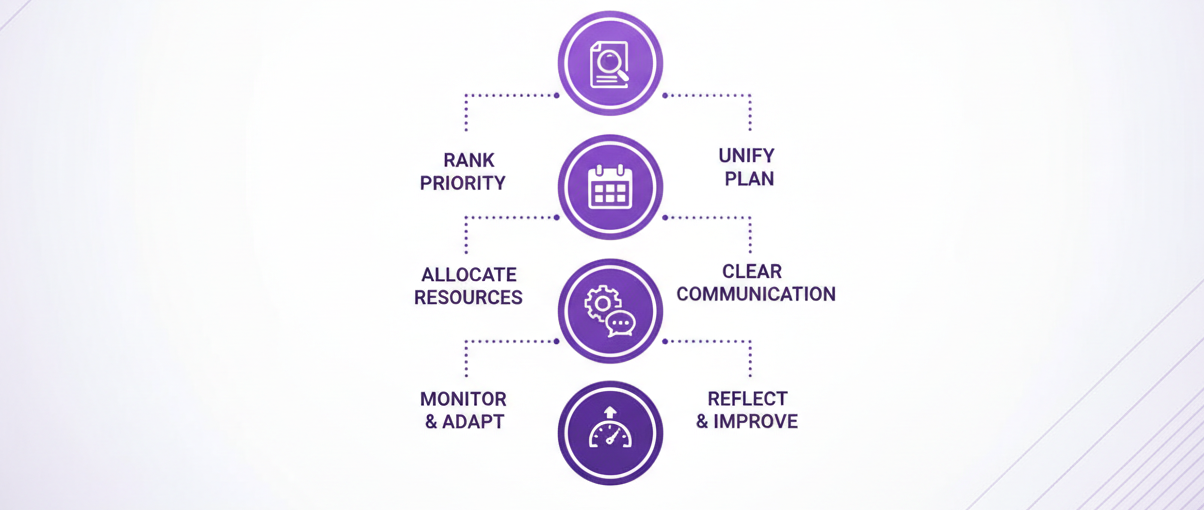
When deadlines collide, success depends on structure, clarity, and adaptability. By following these seven key steps in project management, you’ll not only stay on track but also learn to prioritize multiple projects effectively, maintaining focus and steady progress across every task.
Step 1: Evaluate project scope and urgency
Start by understanding the scope and time sensitivity of each project. Knowing what truly matters helps you decide where to focus your attention first.
- Identify core deliverables and non-negotiable deadlines.
- Clarify stakeholder expectations to align goals and timelines.
- Assess project complexity to estimate the effort required.
- Spot early signs of potential bottlenecks or conflicting demands.
Step 2: Rank projects by impact and priority
Not all projects carry the same weight. Establishing a clear priority order prevents confusion and wasted effort.
- Evaluate how each project supports business goals.
- Weigh urgency versus importance for smarter task sequencing.
- Give higher focus to projects with critical impact or external dependencies.
- Document your criteria to ensure transparency and alignment.
Step 3: Create a unified action plan
Once priorities are set, build a master plan that organises all timelines and deliverables in one place.
- Map tasks on a shared calendar or Gantt chart for visibility.
- Assign clear responsibilities and confirm accountability.
- Define milestones to track progress effectively.
- Incorporate buffer time to manage unexpected changes.
Step 4: Allocate resources strategically
Efficient resource use is the backbone of effective multitasking. Balance workloads and ensure optimal use of talent and tools.
- Match team members to tasks based on skills and capacity.
- Use digital tools like Asana, Trello, or ClickUp to monitor workloads.
- Reallocate resources when new priorities emerge.
- Keep an eye on performance trends for continuous improvement.
Step 5: Maintain clear communication channels
When projects overlap, communication gaps can derail everything. Stay connected and proactive in every update.
- Hold brief, regular check-ins to share progress and blockers.
- Use collaborative tools for transparent reporting.
- Encourage cross-team visibility to reduce duplication of work.
- Foster an environment where issues are raised early, not late.
Step 6: Monitor, adapt, and stay flexible
Flexibility is key when managing multiple moving parts. Tracking performance helps you adjust strategies quickly.
- Use real-time dashboards to monitor task completion.
- Reassess timelines based on evolving workloads.
- Identify trends to forecast resource needs or risks.
- Stay agile and update plans as priorities shift.
Step 7: Reflect and improve your process
After projects conclude, take time to review outcomes and refine your approach.
- Collect feedback from your team on workflow efficiency.
- Analyse what caused delays or stress points.
- Celebrate wins and highlight what went well.
- Document best practices for smoother future management.
Which criteria decide project priority?
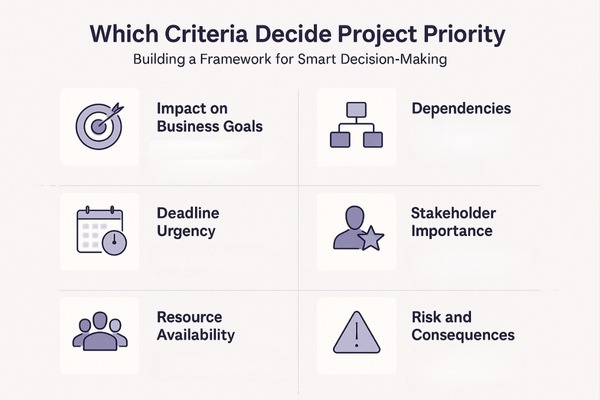
When managing multiple projects with competing deadlines, clear priorities are key to avoiding chaos. Understanding the criteria that define project priority helps you make strategic decisions, use resources effectively, and stay aligned with organizational goals.
Impact on business goals
Start by assessing how each project supports your core objectives. Projects that contribute directly to growth, client satisfaction, or operational efficiency should naturally rise to the top of your list.
Deadline urgency
Not all deadlines carry the same weight. Determine which ones are truly fixed and which allow for flexibility. Time-sensitive projects with immovable due dates often require immediate attention and resources.
Resource availability
Even a high-impact project can stall without the right people, tools, or budget. Evaluate your available resources to decide which projects are feasible to prioritize in the short term.
Dependencies
Some projects can’t progress until others are completed. Identify these dependencies early to prevent delays and ensure an efficient workflow.
Stakeholder importance
Projects tied to key stakeholders, whether executives, clients, startups, universities, or agencies, often come with higher expectations. Giving them the right level of attention helps maintain trust, strengthen relationships, and ensure alignment with shared goals.
Risk and consequences
Consider the potential fallout of delays or setbacks. Projects with higher risk or greater impact on the business if missed should be managed with greater urgency and oversight.
By evaluating each project through these lenses, you create a structured decision-making process that keeps competing priorities balanced and progress steady.
Dealing with challenges in managing projects

Prioritizing projects can be challenging, especially when faced with shifting priorities and unforeseen obstacles. Learning how to prioritize multiple projects effectively requires a proactive approach and the ability to adapt strategies to changing circumstances.
Prioritizing projects can be challenging, especially when faced with shifting priorities and unforeseen obstacles. Managing competing deadlines effectively requires a proactive approach and the ability to adapt strategies to changing circumstances.
When prioritizing projects, it's essential to consider not only the immediate impact but also the long-term implications. Take into account factors such as:
- Resource availability
- The potential return on investment
- Strategic alignment with organizational goals
By looking at the bigger picture, you can make more informed decisions that benefit not just individual projects but the organization as a whole.
Overcoming common obstacles
One common challenge is dealing with conflicting priorities. In such cases, consider the potential impact of the projects. Evaluate the risks, benefits, and dependencies associated with each project to make informed decisions.
Additionally, another obstacle in prioritizing projects is managing stakeholder expectations. Different stakeholders may have varying priorities and interests, making it crucial to engage with them early on to understand their needs.
By involving stakeholders in the prioritization process and setting clear expectations, you can build consensus and ensure alignment toward common goals.
Adapting prioritization strategies to changing circumstances
Flexibility is key when managing multiple tasks, priorities, and deadlines. Tracking performance helps you adjust strategies quickly while staying aligned with project objectives.
Moreover, it's important to consider the potential impact of external factors on project prioritization, such as:
- Market trends
- Regulatory changes
By staying informed about external influences and being proactive in adjusting your strategies, you can better position your projects for success in a rapidly evolving environment.
Prioritize like a pro and meet every deadline
Managing overlapping tasks doesn’t have to be overwhelming. With the right mindset and structured approach, you can turn demanding workloads into a rhythm of consistent progress and achievement.
Adaptability, clarity, and focus remain your greatest tools when managing multiple tasks, priorities, and deadlines. Embrace these strategies to stay ahead of schedules, maintain balance, and deliver results that reflect both precision and confidence.
The key is not just to work harder but to work smarter, building a system that supports success at every stage. Ready to elevate your performance? Start prioritizing like a pro today with Dart!
_light%201.avif)